How Often Do Decks Need to Be Replaced? Colorado Homeowner’s Guide
If you live along the Front Range — from Denver to Boulder, Highlands Ranch, or Castle Rock — your deck probably plays a big part in how you enjoy Colorado’s outdoors. But with the state’s unique mix of high altitude, intense sun, snow, and temperature swings, decks here endure more wear and tear than most.
So, how often does a deck need to be replaced?
The answer depends on your material, maintenance, and the harshness of our Colorado climate. Let’s dive into what affects deck lifespan and how to tell when it’s time for a new one.
Understanding Deck Lifespan: Natural Wood vs. Composite
Not all decks are built the same. A well-maintained redwood deck might last decades, while an untreated pine deck might not survive more than a few Front Range winters.
Let’s break down the differences between natural wood and composite decking.
Average Lifespan of a Wood Deck
The lifespan of a wood deck depends heavily on the type of lumber and how well it’s maintained:
| Wood Type | Average Lifespan (in Colorado) | Maintenance Level |
|---|---|---|
| Pressure-treated pine | 10–15 years | High – yearly sealing/staining |
| Cedar | 15–20 years | Moderate – reseal every 2–3 years |
| Redwood | 20–25 years | Moderate to high |
| Ipe or hardwoods | 25–40 years | Low to moderate |
Even premium woods can deteriorate faster in Colorado’s dry air and UV-heavy environment if not protected properly.
How Long Do Composite Decks Last?
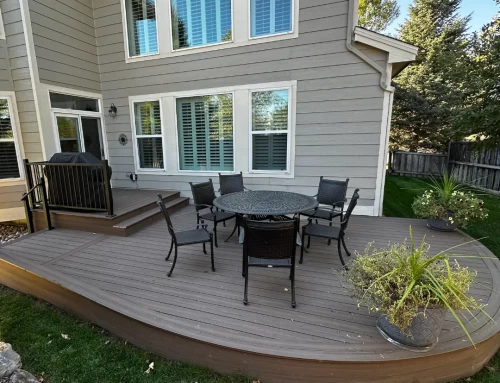
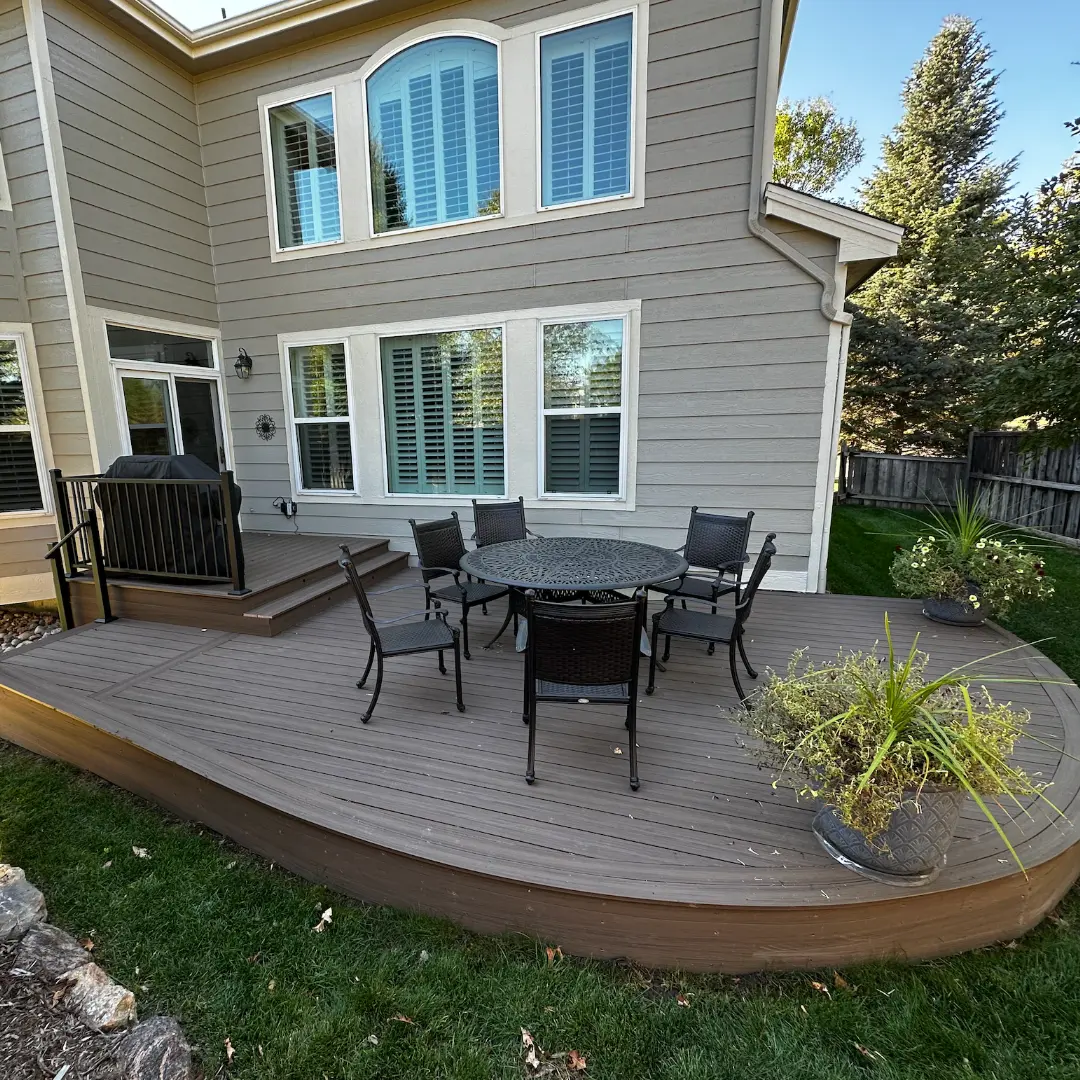
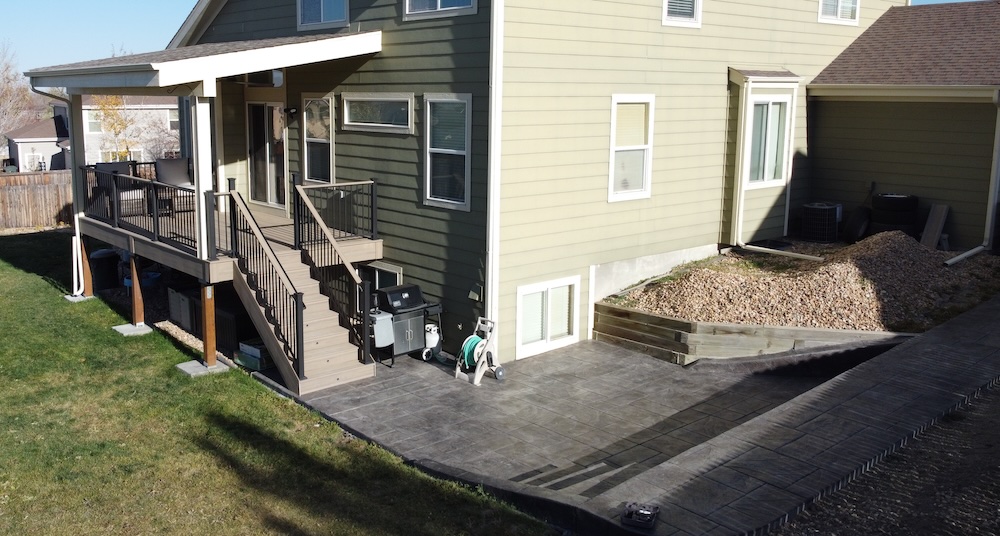
Composite decking (like Trex, TimberTech, or Fiberon) combines wood fibers with recycled plastics to resist moisture, fading, and rot. Most high-end composites come with 25–50 year warranties.
In Denver’s fluctuating climate, composites typically last at least 30–40 years, often with minimal maintenance—just a good wash a few times a year. That makes them an excellent long-term investment for homeowners who want durability and lower upkeep.
Colorado’s Climate: The #1 Factor in Deck Longevity
Colorado’s weather is breathtaking—but brutal on decks. From 100°F summer days to snowy, subzero nights, the stress adds up quickly.
Sun Exposure and UV Damage in Colorado
At over a mile high, UV radiation in Colorado is up to 25% stronger than at sea level. This means untreated or unsealed wood decks fade, dry, and crack faster than those in lower-altitude states.
Regular staining and sealing are essential for wooden decks to protect against the high-elevation sun.
Freeze-Thaw Cycles, Snow, and Moisture
Denver alone experiences dozens of freeze-thaw cycles each winter. Water seeps into cracks, freezes, and expands, leading to warping and splitting. Snow that melts and refreezes also promotes rot and mildew, especially in shaded areas.
Wind, Hail, and Altitude Impacts
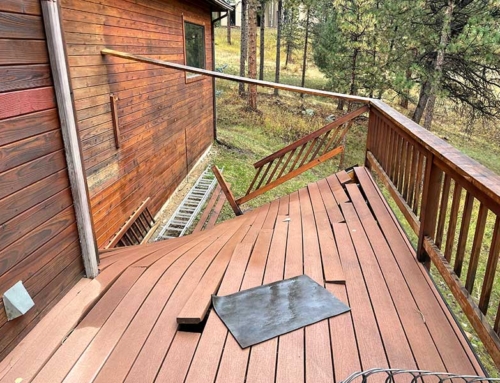
Wind-driven debris and hail are also real concerns. A single storm can dent wood boards or crack composite surfaces. Additionally, thinner air and lower humidity dry out wood more quickly—accelerating the aging process.

Signs It’s Time to Replace Your Deck
Even the best-maintained decks have a shelf life. Here’s how to tell if yours is reaching the end of the road.
Structural Red Flags
-
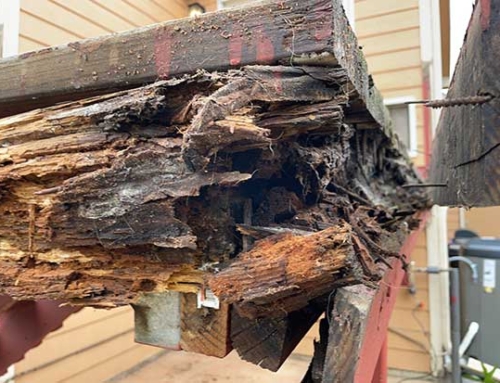
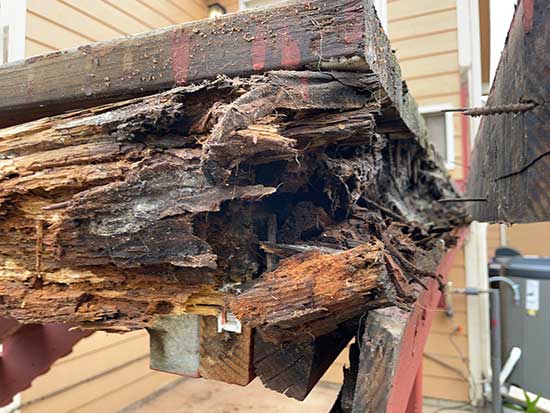
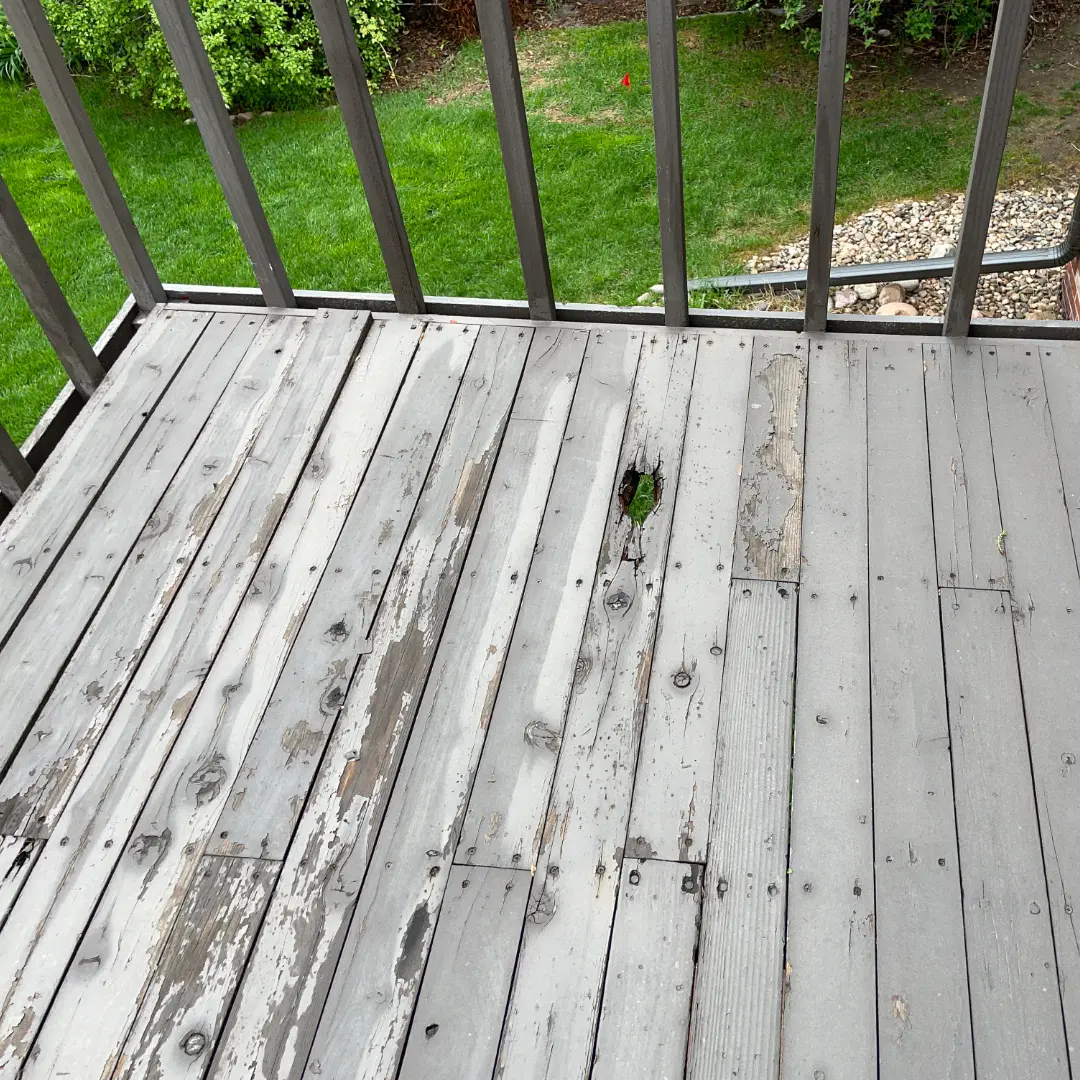
Soft, spongy spots or visible rot
-
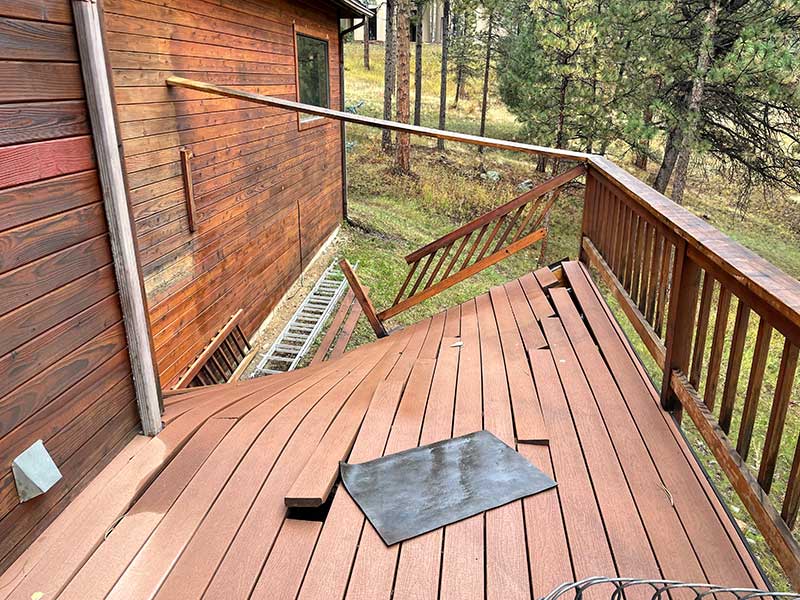
Loose or wobbly railings
-
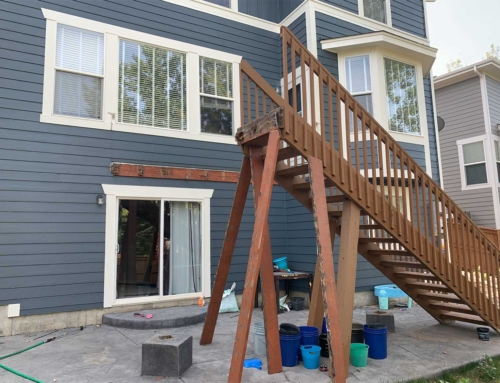
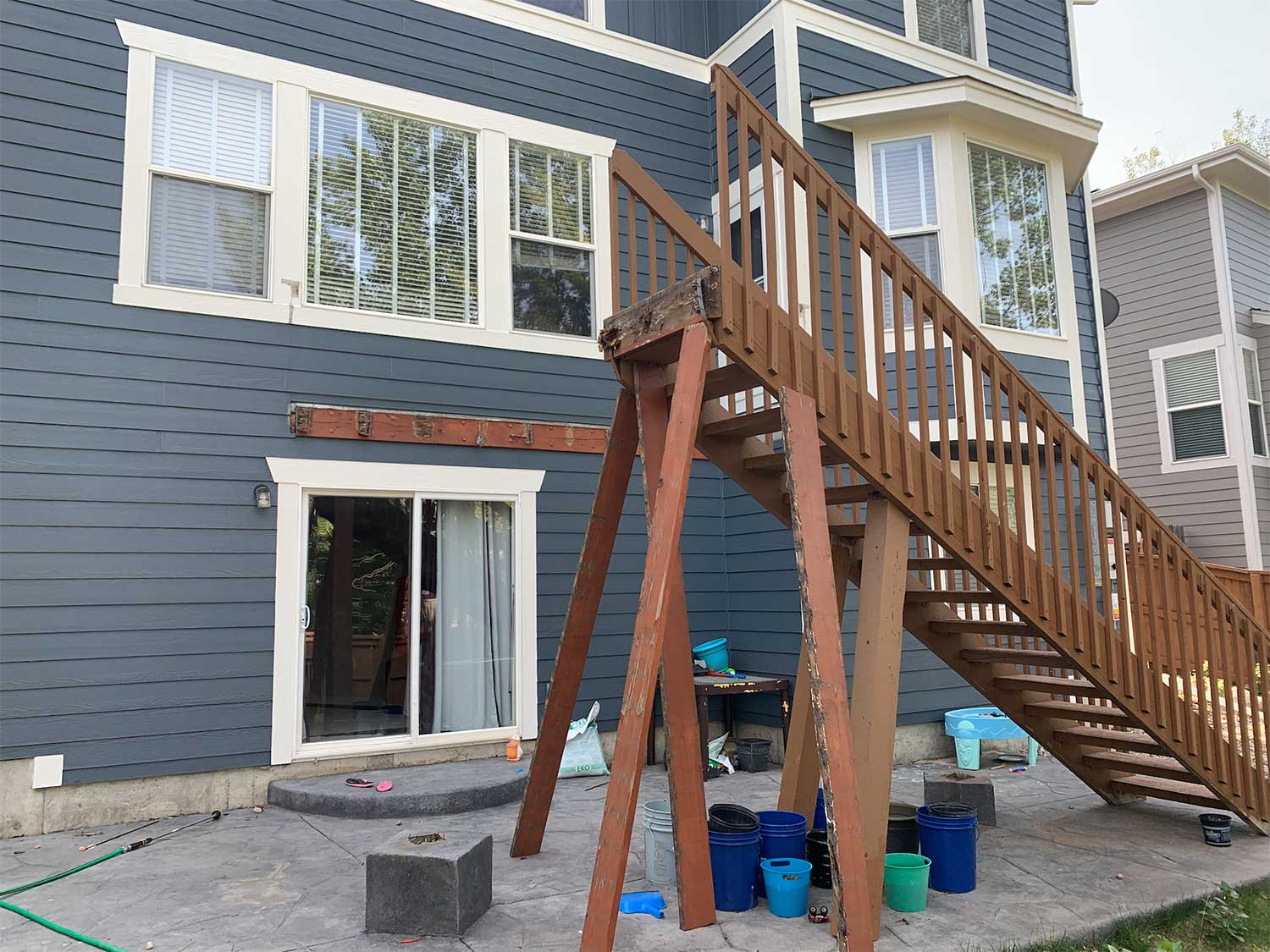
Posts pulling away from the ground or ledger board
-
Rusted or failing hardware
-
Boards that flex underfoot
If your deck feels unstable, it’s not just a cosmetic problem—it’s a safety hazard.
Aesthetic and Comfort Issues
If your once-beautiful cedar deck is now gray, splintered, or covered in mildew, it might be time for a fresh start. When sanding and staining can’t restore its appearance, replacement becomes the smarter investment.
Can You Repair Instead of Replace?
Sometimes, a full rebuild isn’t necessary—especially if the framing is still solid.
When Deck Restoration Makes Sense
If your deck’s foundation is sturdy, resurfacing with new boards or applying a restorative finish can add years of life. This works best for younger decks or those that have been regularly maintained.
When Full Replacement is the Smarter Choice
If you’re replacing more than a third of your boards, or if the joists and posts show decay, it’s usually more cost-effective to start fresh. Plus, you can modernize your design, upgrade to composite materials, and add value to your home.
How Maintenance Extends Deck Life
No matter your deck type, regular maintenance is the secret to longevity.
| Task | Frequency | Purpose |
|---|---|---|
| Cleaning | 2–3 times per year | Prevents mold and mildew |
| Staining/Sealing | Every 2–3 years | Protects wood from UV and moisture |
| Fastener Check | Annually | Ensures safety and stability |
| Snow Removal | As needed | Prevents weight and moisture damage |
Why Composite Decking Is a Popular Upgrade in Colorado
Homeowners are increasingly choosing composite decks for their resilience and low upkeep. You’ll never need to stain, sand, or reseal them, and they resist warping and fading even under Colorado’s intense sun.
While composite decks may cost 30–50% more upfront, their lifespan and lower maintenance often make them more cost-effective long term. A new deck is an investment, and pricing varies depending on materials, design, and size.
Labor, Permits, and Custom Features
Factors like railings, built-in lighting, stairs, and custom layouts can add to costs. In the Denver metro area, a typical replacement runs $15,000–$30,000, depending on the project’s complexity.
Choosing the Right Deck Builder in Colorado
Given Colorado’s unique climate, it’s crucial to work with a local, experienced deck contractor who understands regional building codes and environmental factors. Look for:
-
Proven experience with both wood and composite materials
-
Knowledge of local permitting and inspection processes
-
References from other Denver-area homeowners
-
Warranties on both labor and materials
FAQs About Deck Replacement in Colorado
1. How often do decks need to be replaced in Colorado?
Typically every 10–20 years for wood decks and 25–30 years or more for composite, depending on maintenance.
2. Can you replace just the decking boards?
Yes, if the frame is structurally sound. Otherwise, full replacement is safer.
3. Is it worth upgrading to composite decking?
Absolutely. While more expensive upfront, composites save time and money long term.
4. How long does deck replacement take?
Most projects take 1–3 weeks, depending on weather and complexity.
5. What’s the best time of year to replace a deck in Colorado?
Spring and early fall are ideal—moderate temperatures help with installation and finishing.
6. Will a new deck increase my home’s value?
Yes. A new deck can yield up to 70–80% return on investment, especially in outdoor-loving Colorado.
Conclusion: Protecting Your Deck Investment
Whether you’re repairing or replacing, your deck deserves attention—especially in Colorado’s demanding environment.
A well-built, well-maintained deck not only enhances your outdoor living but also boosts your home’s beauty and resale value.
If you’re wondering how often does a deck need to be replaced, the answer comes down to material, maintenance, and local climate. For most Colorado homeowners, regular care and smart material choices can keep your deck strong for decades.